
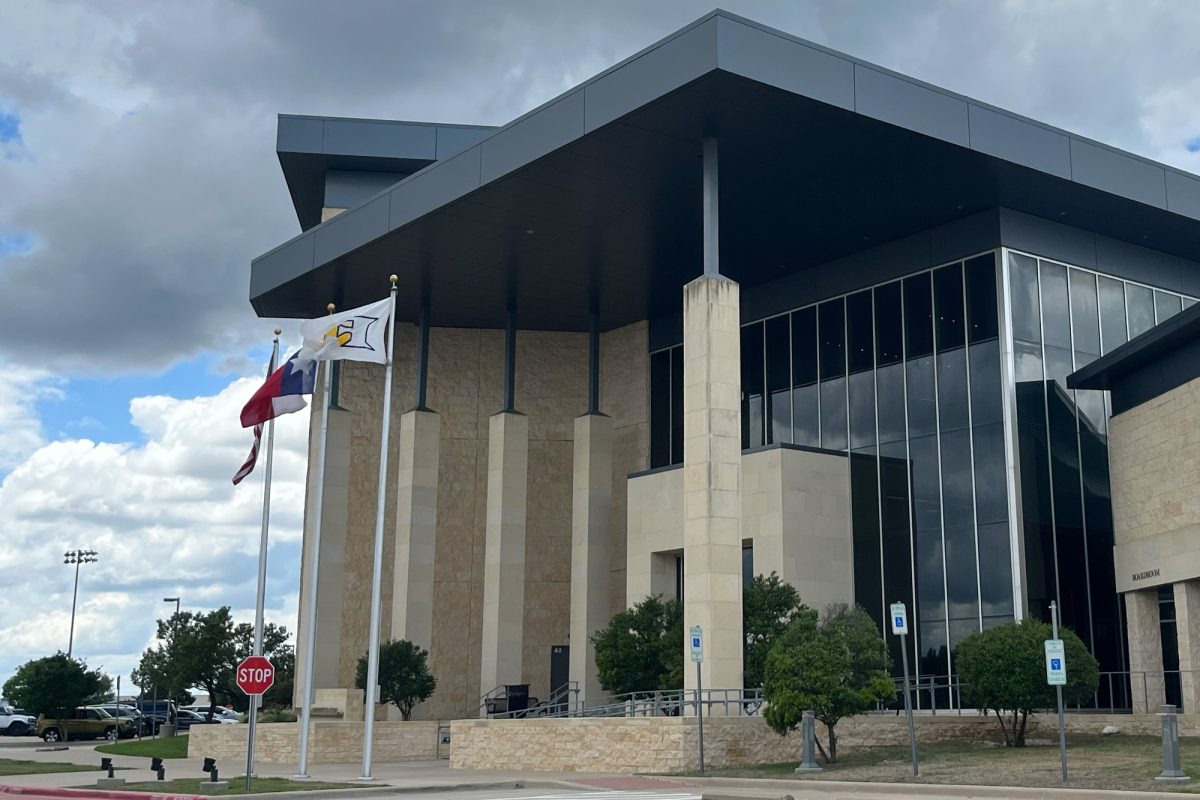
After years of rapid expansion and an enrollment peak of 67,612 students in March 2023, Frisco Independent School District (FISD) has entered a new stage as student enrollment begins to level off and slow down.
As a result of this new reality, FISD leadership has developed and introduced a comprehensive sustainability plan that intends to maintain the district’s four key principles (serving students first, listening to stakeholders, innovating and adapting, and being transparent and responsible) while concentrating on resource efficiency and providing high-quality opportunities for all FISD students.
FISD is prioritizing five main areas to effectively respond to these changes:
- Facility planning: making sure schools are used efficiently and are able to adapt to changing student numbers
- Academic programs: engaging students, as well as their families, through a variety of options such as Pre-K, online/hybrid classes, summer programs, and magnet programs
- Financial sustainability: aligning spending with the number of students, identifying efficiencies, and considering new sources of revenue
- Talent and workforce: hiring and keeping high-quality educators, making staff adjustments when necessary, and offering professional support and development opportunities
- Communications: providing staff, families, and the community with information through regular updates and public engagement
The sustainability plan outlines the district’s implementation strategy through three distinct phases:
- Development (2024-2026): adjusting budgets and staff levels according to enrollment projections, launching new programs, and identifying new revenue sources
- Scaling (2026-2028): keeping track of program, financial, and staff performance, and making changes to priorities as needed
- Sustaining (2028 onward): assessing the potential for consolidating or optimally utilizing facilities, continuing the monitoring programs and finances, and fine-tuning strategies for long-term stability
FISD’s first-quarter general fund budget report (as of Sept. 30, 2025) shows the district has received 12% of projected revenue and spent 11% of the budget. Key highlights include:
- Local revenue: 41% of total; state funding: 58%; federal sources (1%)
- Major expenditures: $67 million for payroll; $13 million for professional services, and $4 for supplies and materials
- Ending fund balance: $267 million, or 33% of the total budget