

-
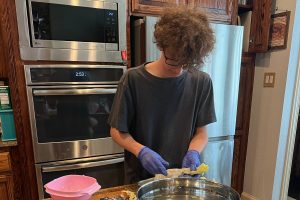
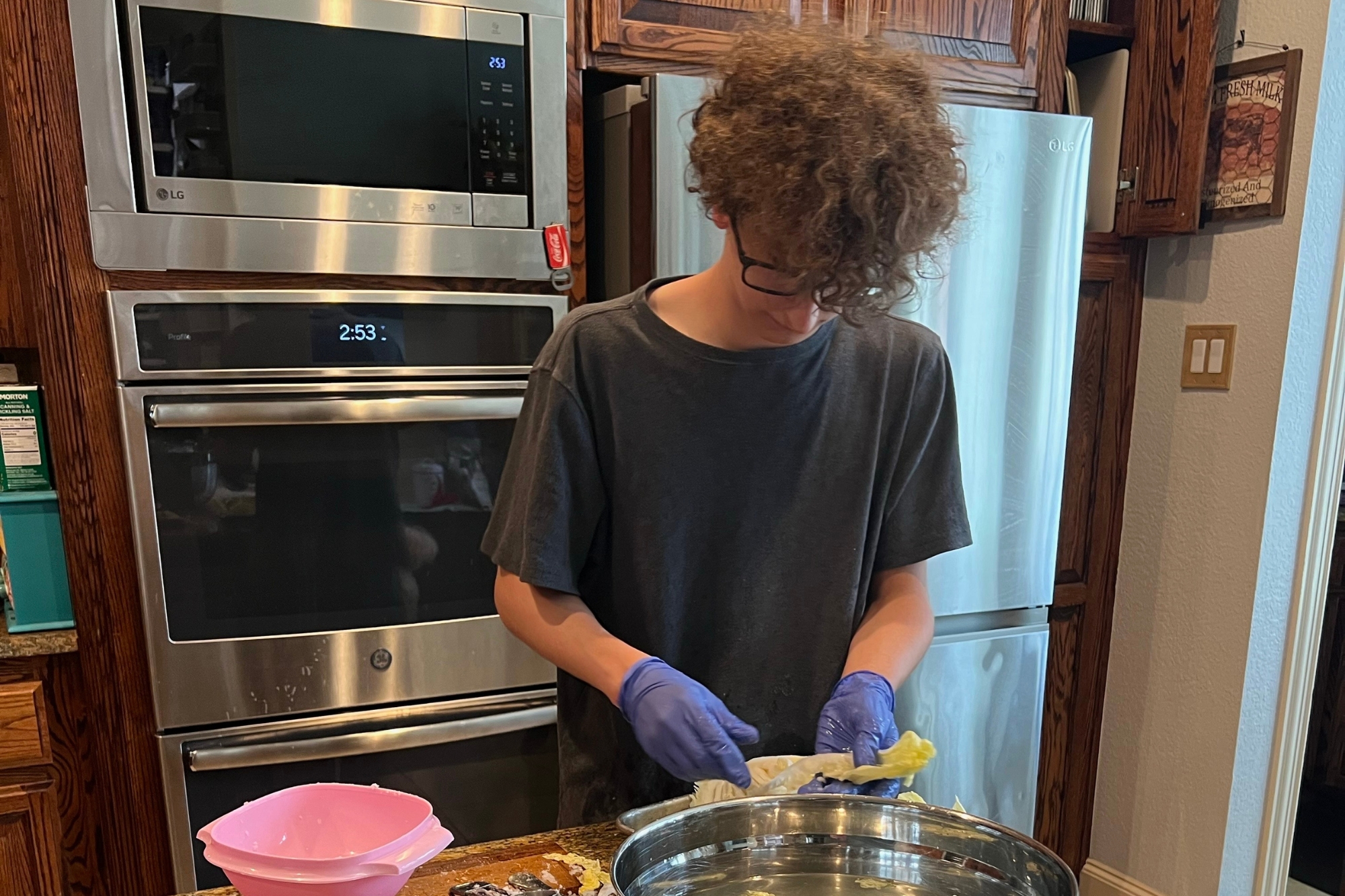
Senior Andrew Gow, pictured above, is salting and brining cabbage leaves, which is done before marinating, an important step in making kimchi.
-
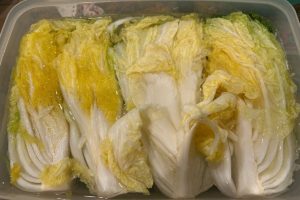
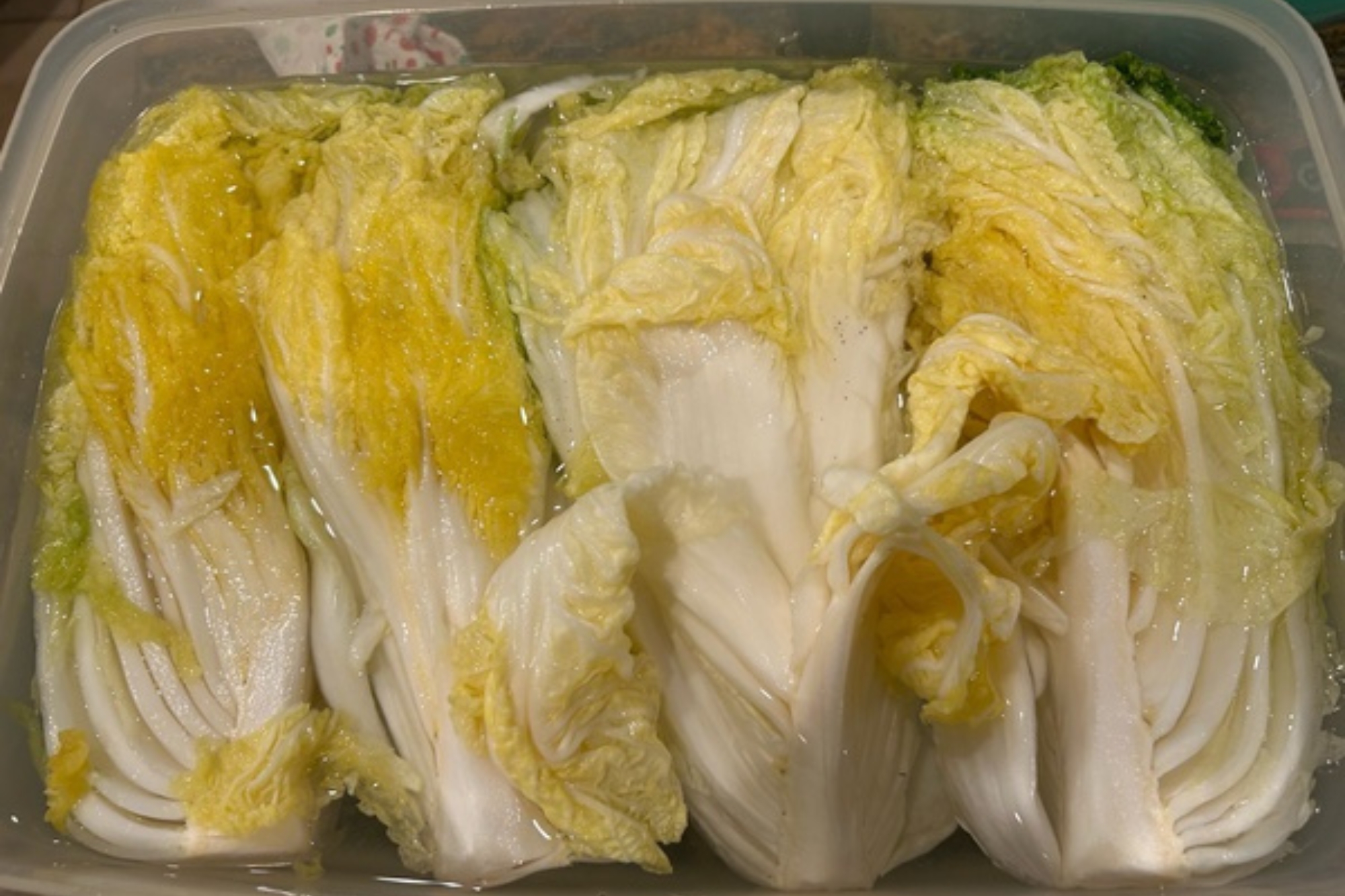
The cabbage leaves often soak in salt water overnight (brine) until flexible and not easily breakable.
-
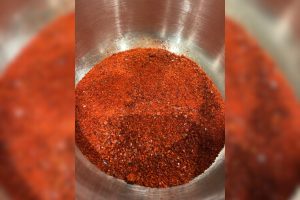
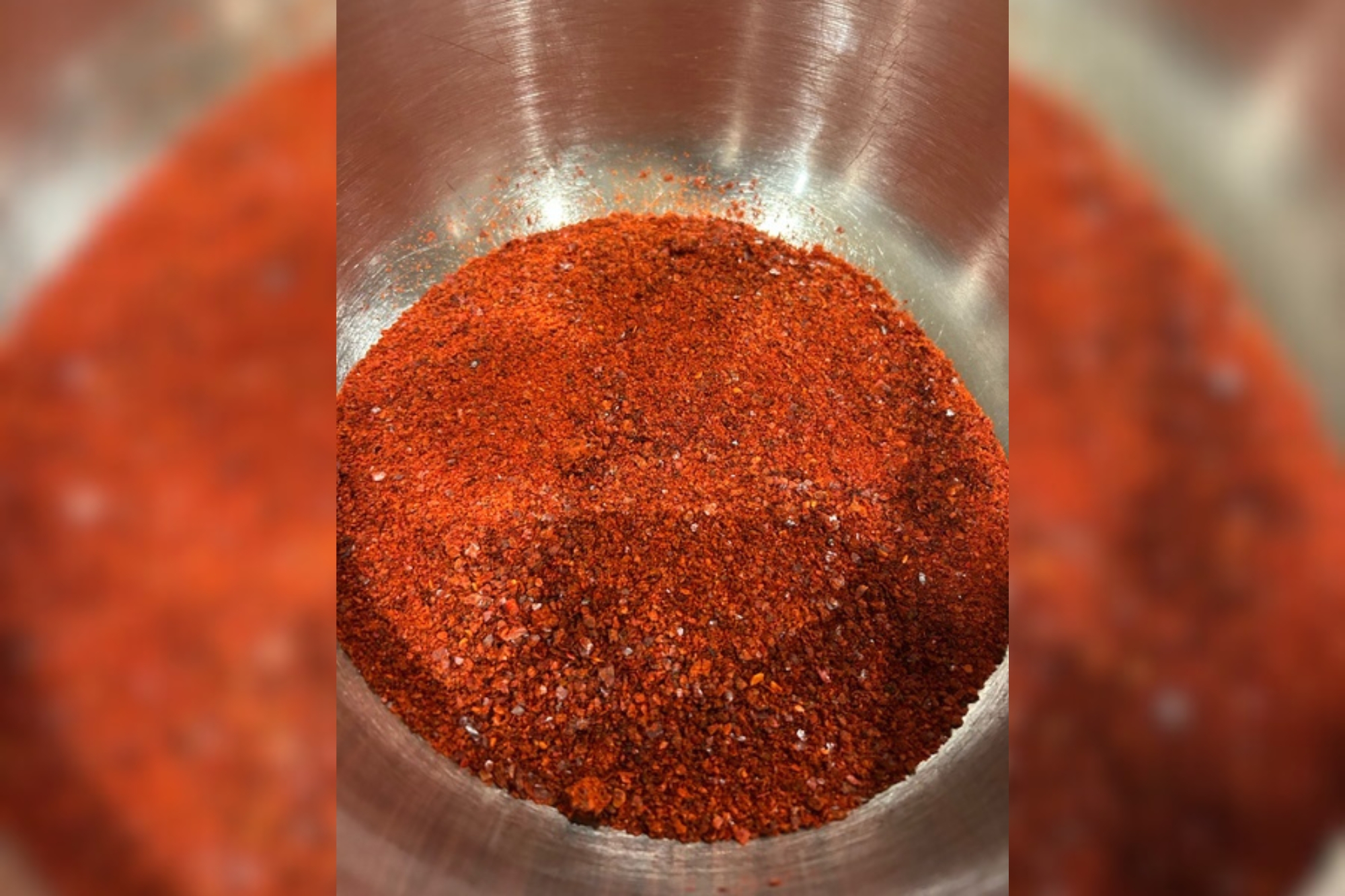
Korean red pepper flakes, gochugaru, are a staple for most kimchi recipes’ spice paste.
-
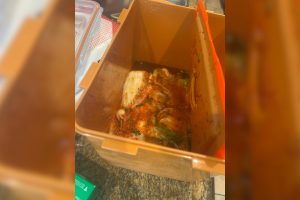
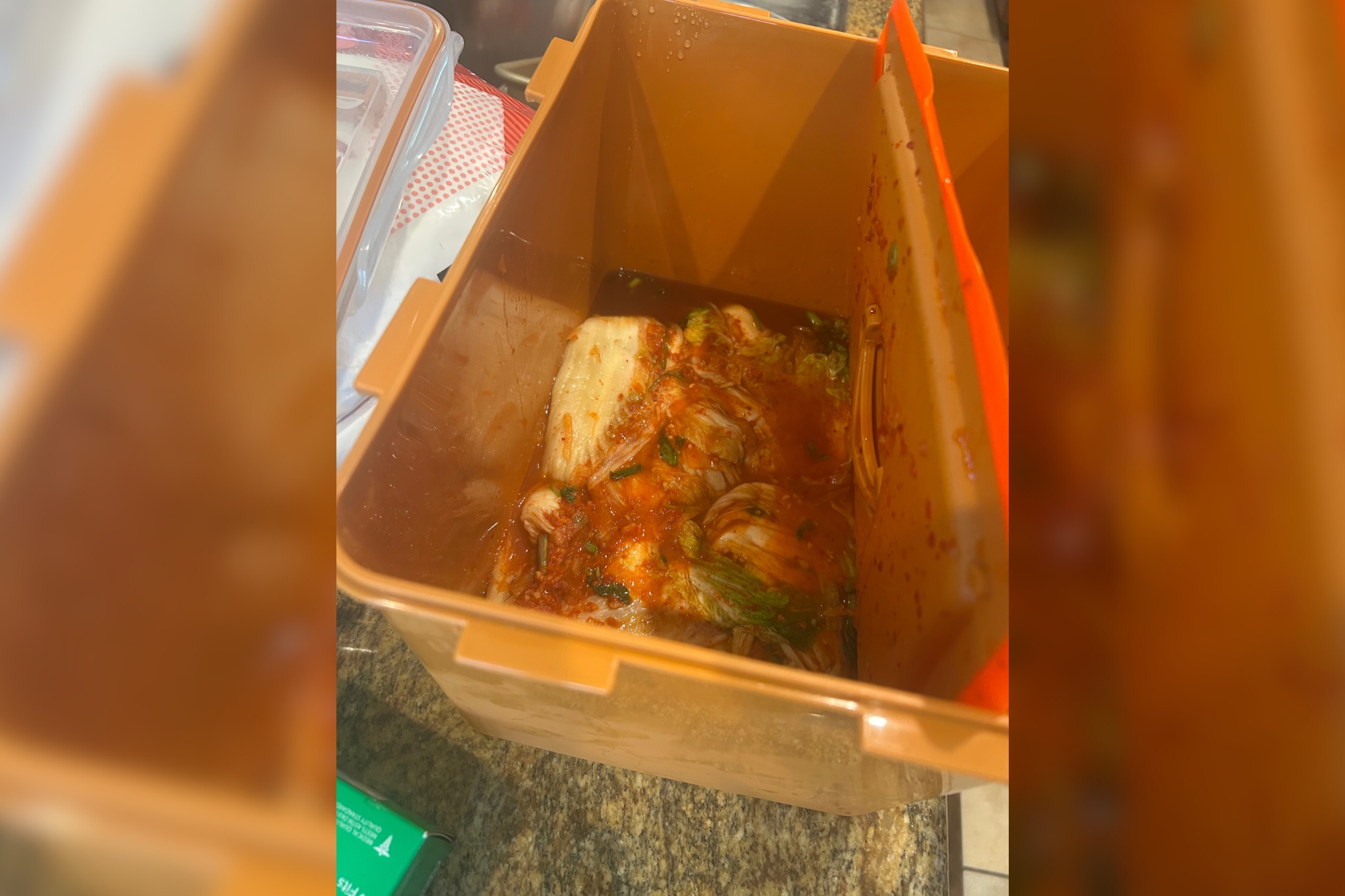
Purchasing the proper equipment is sometimes important for recipes. For kimchi, a special container is used for the fermenting process.
-
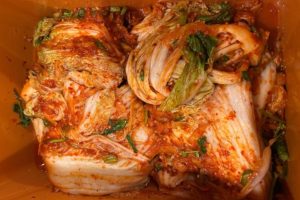
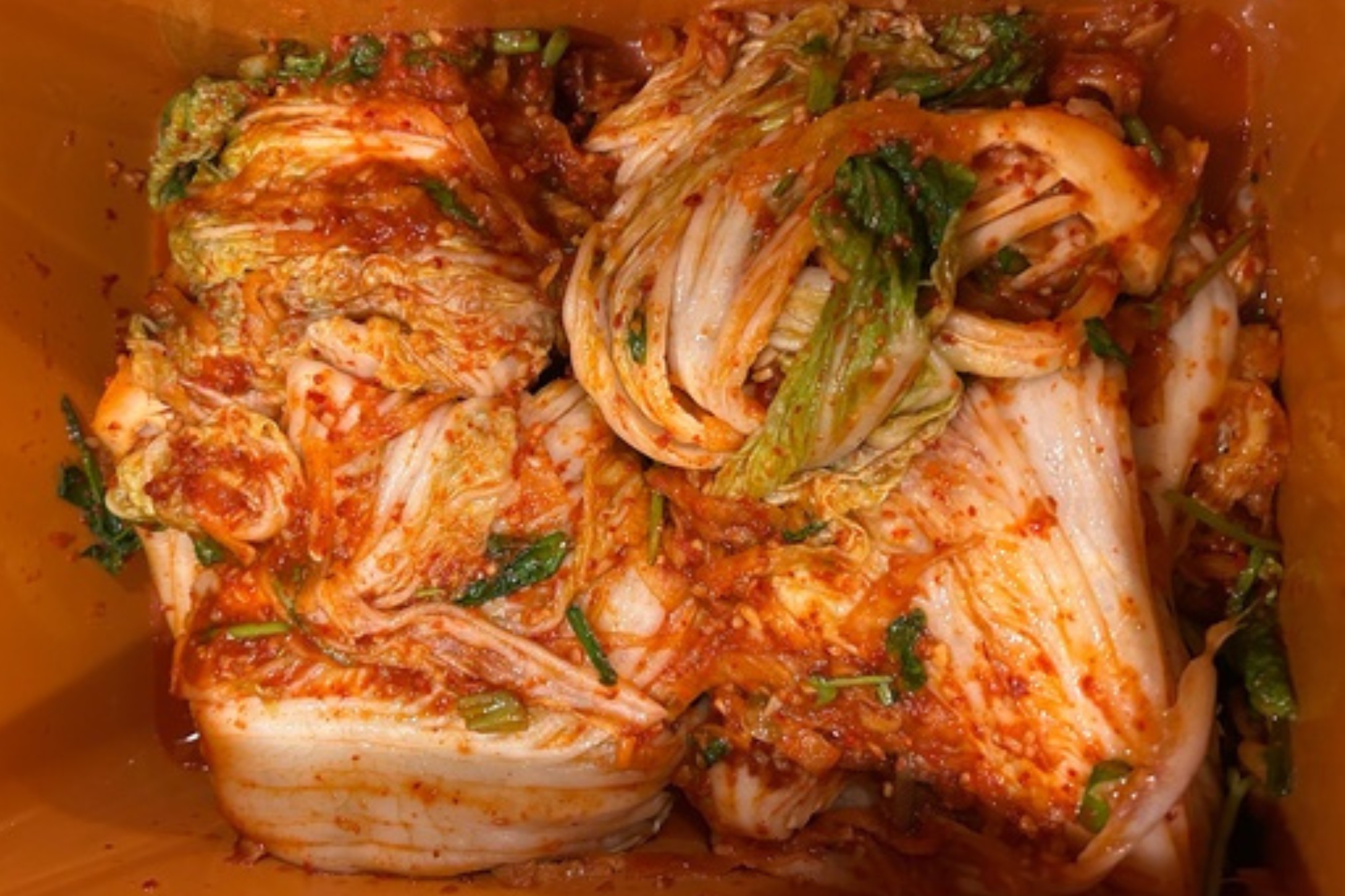
When finished, the kimchi needs to further ferment in the container. The longer the kimchi is able to ferment, the more the flavor is able to develop.
-
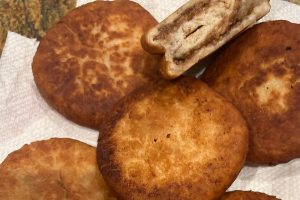
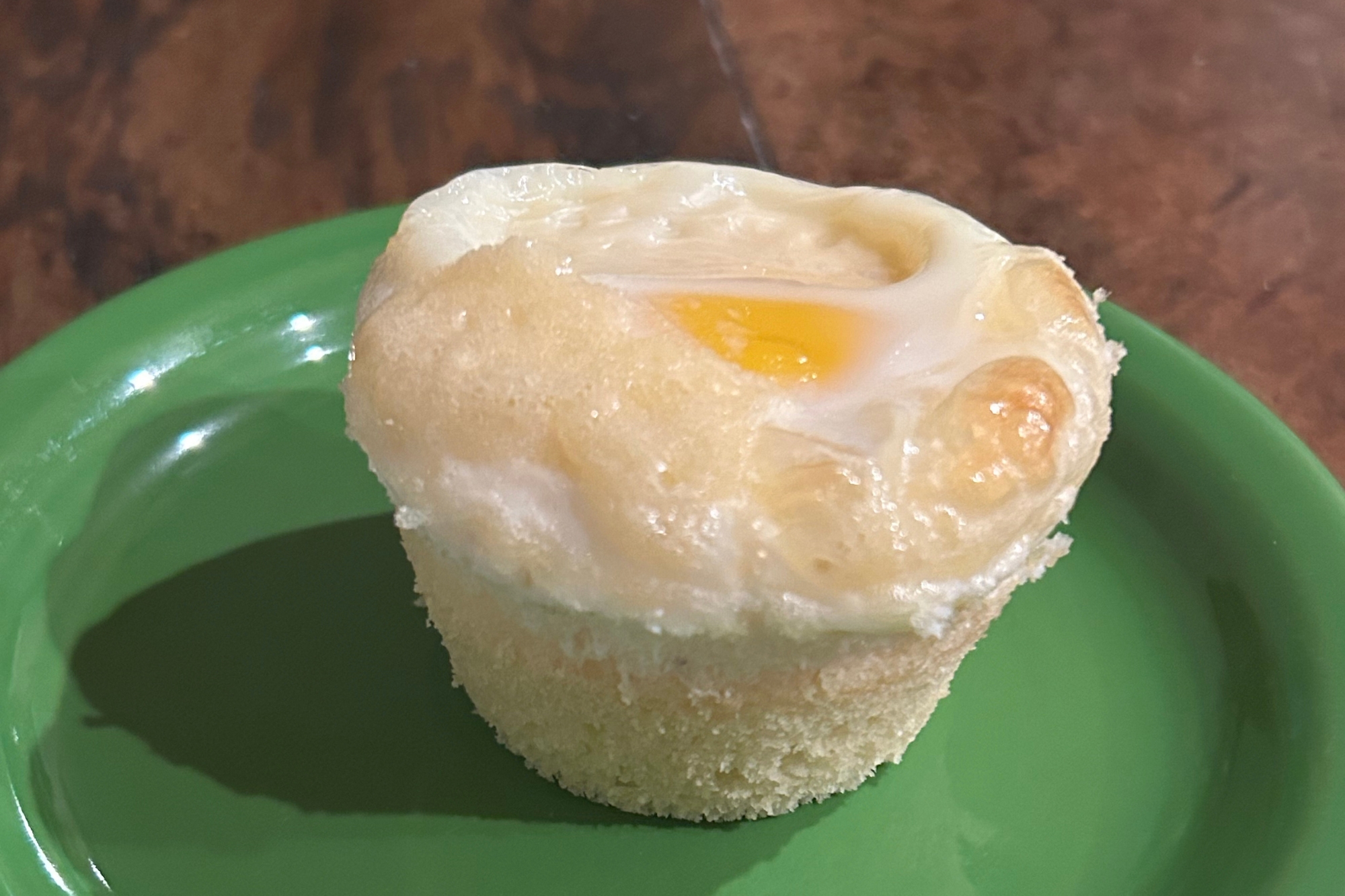
One of the very first dishes Gow made in his culinary journey, perfecting his gyeran-ppang recipe continues to be one of Gow’s biggest goals today.
-
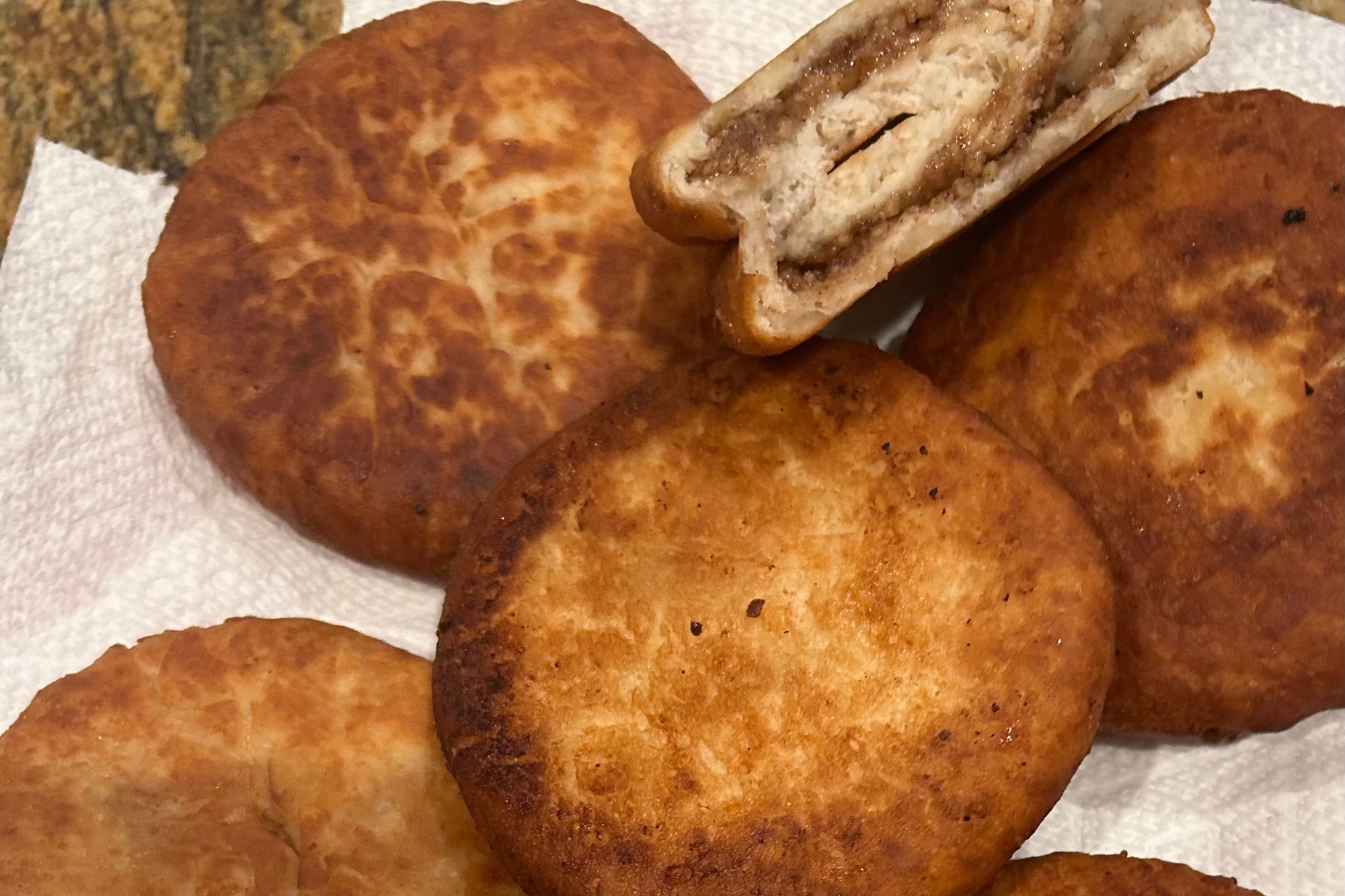
Hotteok is a classic doughy, sweet treat that is often served by street vendors in the winter months.
The smell of garlic and soy fills the air as a rich, bubbling marinade coats golden cubed potatoes.
A few feet away, tightly sealed in a container, vibrant red paste is slathered on fresh, salted cabbage.
This scene is a familiar one for senior Andrew Gow as over the past two years, cooking Korean food has facilitated the start of his culinary adventure.
“My girlfriend is Korean, and I’ve eaten Korean food for most of my life so it was just something I was familiar with when learning how to cook,” Gow said. “I started with gamja jorim, which is a braised potato dish. Today, I love making hotteok, kimchi and gamja jorim alongside trying to perfect my gyeran-ppang recipe.”
Beyond the cooking commences, research is a crucial part of meal prep for Gow.
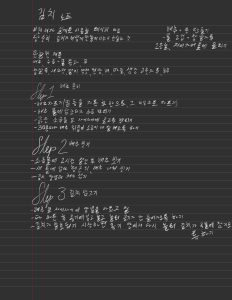
“First I find a recipe of something I want to make,” Gow said. “Then I find recipes and watch videos of it being made, and also try to get an idea of my own instructions. I also try to find out what the best ingredients are. I usually collect my ideas by using my ipad, where I make sure my notes are clear enough for me to use before I start making my dish.”
Cooking is a process, and Gow has learned some things the hard way according to friend Cindy Trinh.
“He learned a lot from making kimchi,” Trinh said. “For example, he didn’t wear gloves while making the kimchi, burning his hand from the salt.”
Knowing when to use gloves is just part of making a dish as recipe interpretation and choosing one to follow can be difficult.
“I think the most challenging aspect about making various Korean dishes is that there are many different ‘interpretations’ for how people make it,” Gow said. “Some use different ingredients from others that give the dish a different taste, so I usually have to synthesize my notes to what seems best in my personal opinion.”
Feedback includes recipe suggestions and recommendations like using anchovy broth tablets for kimchi jjigae instead of creating the broth from scratch. For Gow, this advice is the key to improvement.
“I had the kimchi that he made, and it was great for the fact that it was [his] first time making kimchi from scratch,” Redhawk parent Jiyoung Huang said. “[Especially as] many people, including myself, no longer make homemade kimchi.”
Cooking can require physical preparation such as buying ingredients and equipment—kimchi containers and specific pans, for instance—but eating the food and getting more familiar with it can also help in the cooking process.
“For anyone who wants to make Korean food, first, eat a lot [of Korean food] before you start making it,” Huang said. “And not only typical Korean food like bulgogi or kimchi or bibimbap. Try new things. Do not be afraid of trying new things and expanding the palate.”
Although he worries about taste, Gow’s ultimate satisfaction comes from seeing others enjoy his food.
“I find that I get worried a lot on whether what I make will taste good,” Gow said. “[But] my favorite part about cooking Korean food is to make another person happy. I find it fulfilling to make food and something that brings happiness to others.”