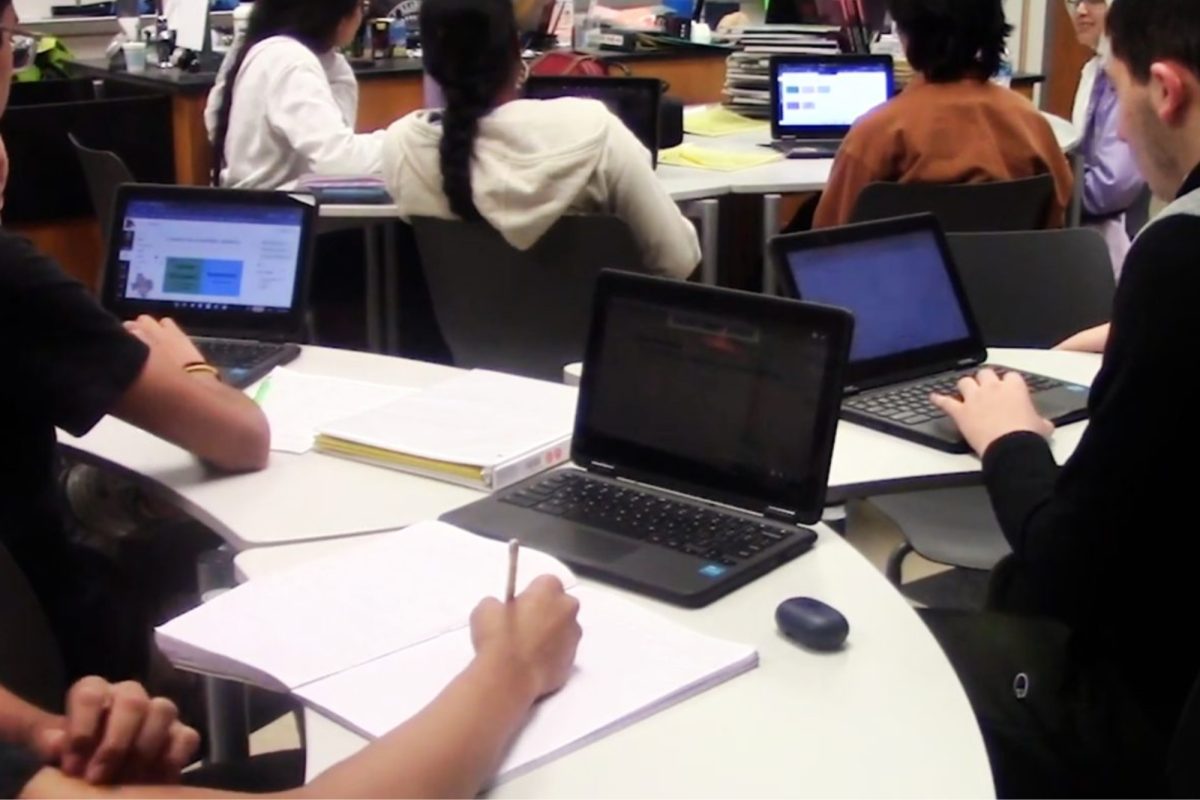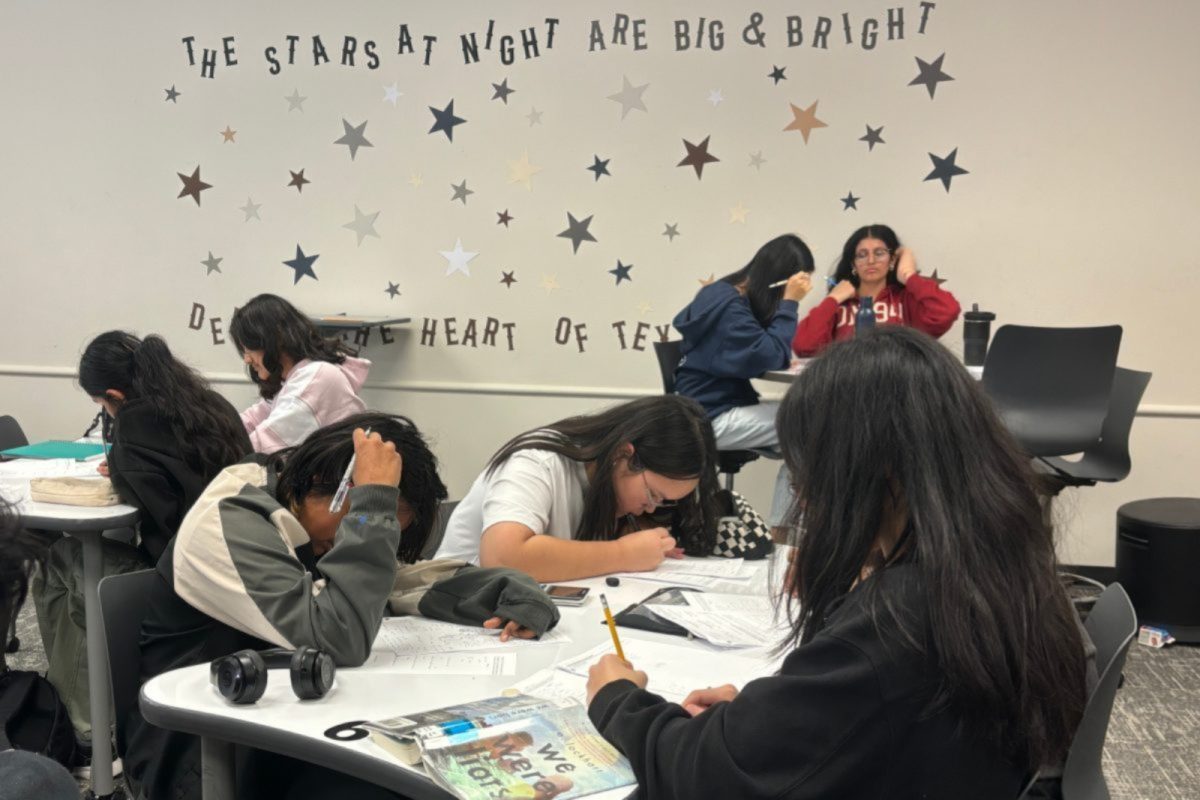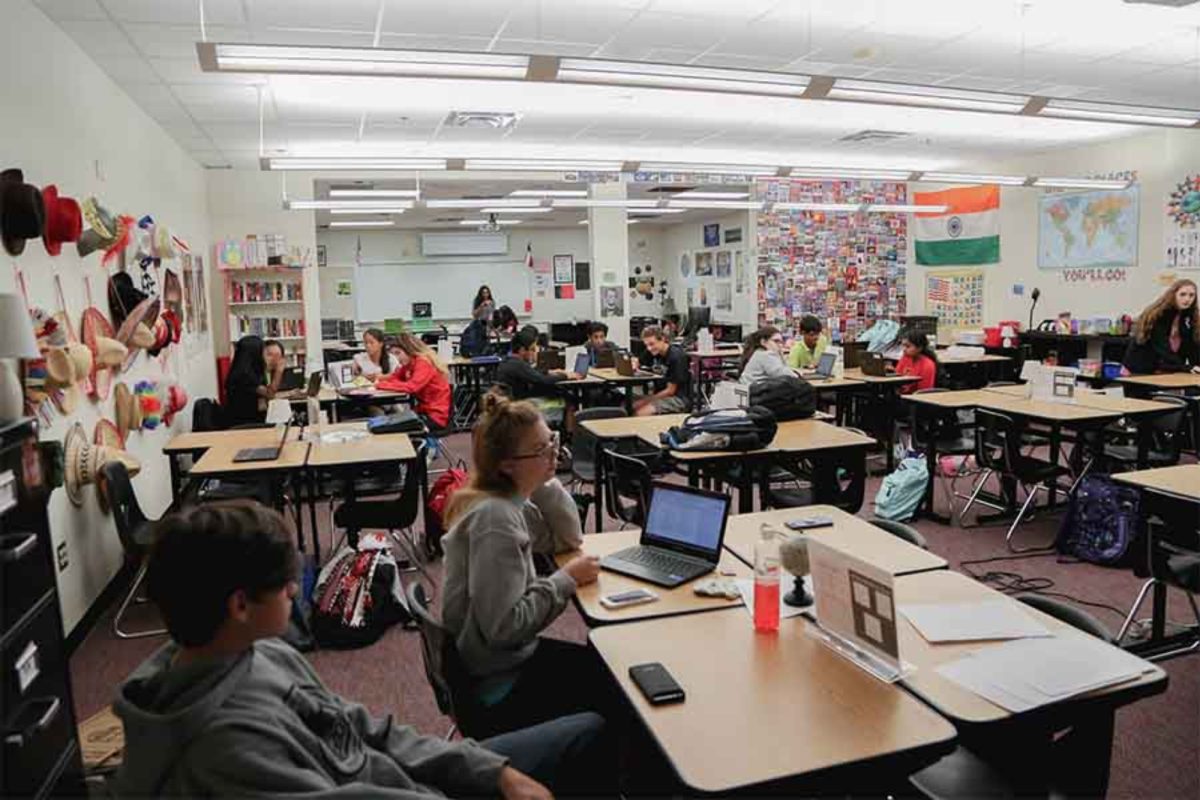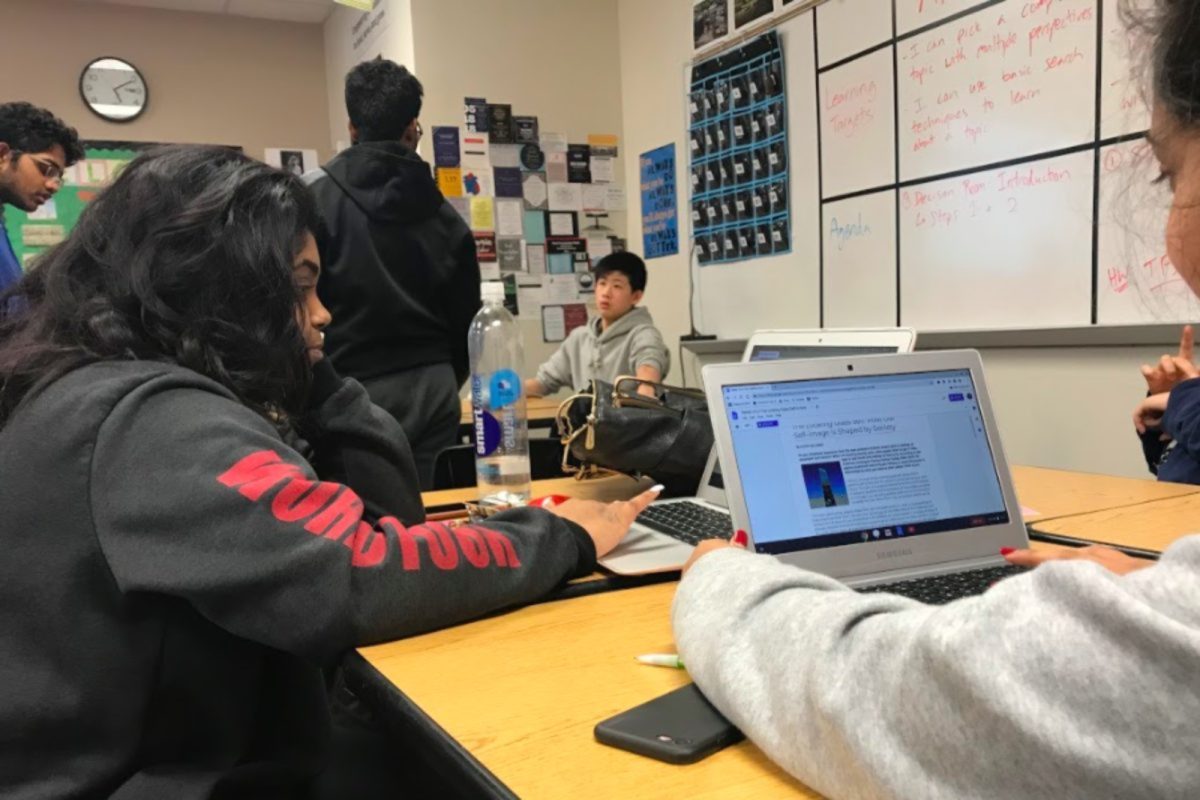

Students in the World Geography course are taking a small mental trip around the world by completing a map assessment in their classroom on Monday to identify European countries, capitals, and physical features, an exercise designed to build the mental maps necessary for understanding future lessons on geopolitics and history.
“Seeing how a student successfully visualizes these boundaries changes the way I approach the next unit on history because it helps give them a background as to where these countries are and how where they are located can add to or change their geopolitical relationships both historically and in our present day,” teacher Brendan Woods said. “If a student can’t locate these countries on a blank map, it can prevent them from making the connections as to why events have occurred or are currently occurring in these areas.”
By mastering the physical and political boundaries, students can move past basic memorization to see how certain features shape the borders of the modern landscape.
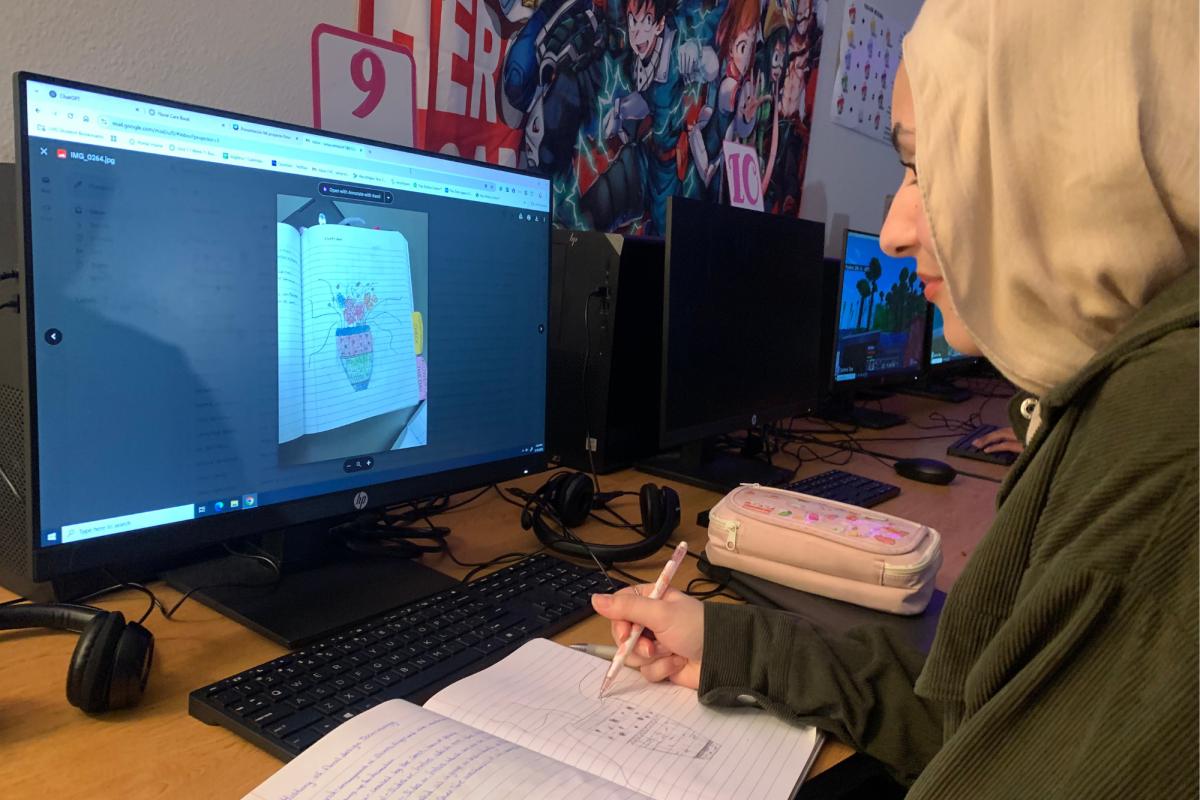
“Using flashcards makes things very easy to remember and turns the hardest parts of the map into things you could recognize. It turned the hardest parts of the map into things you could recognize without even thinking about it,” freshman Malachi Bass said. “Studying the map helps you see the actual shape of the land, and helps you understand that the mountains and rough spots are what make the borders look so complicated. Once you learn the map better, you understand the geography if someone randomly brings it up in conversation.”
This level of spatial comfort allows students to pinpoint major nations easily, creating the mental framework needed to analyze the historic wars and economic shifts within the region.
“The most important part to know for the map was Central Europe, especially countries like Germany and France, because they are always in the middle of big wars,” freshman Colin Farias said. “If you know where they sit on a map, it makes it a ton easier to understand all the history stories that happen there.”